
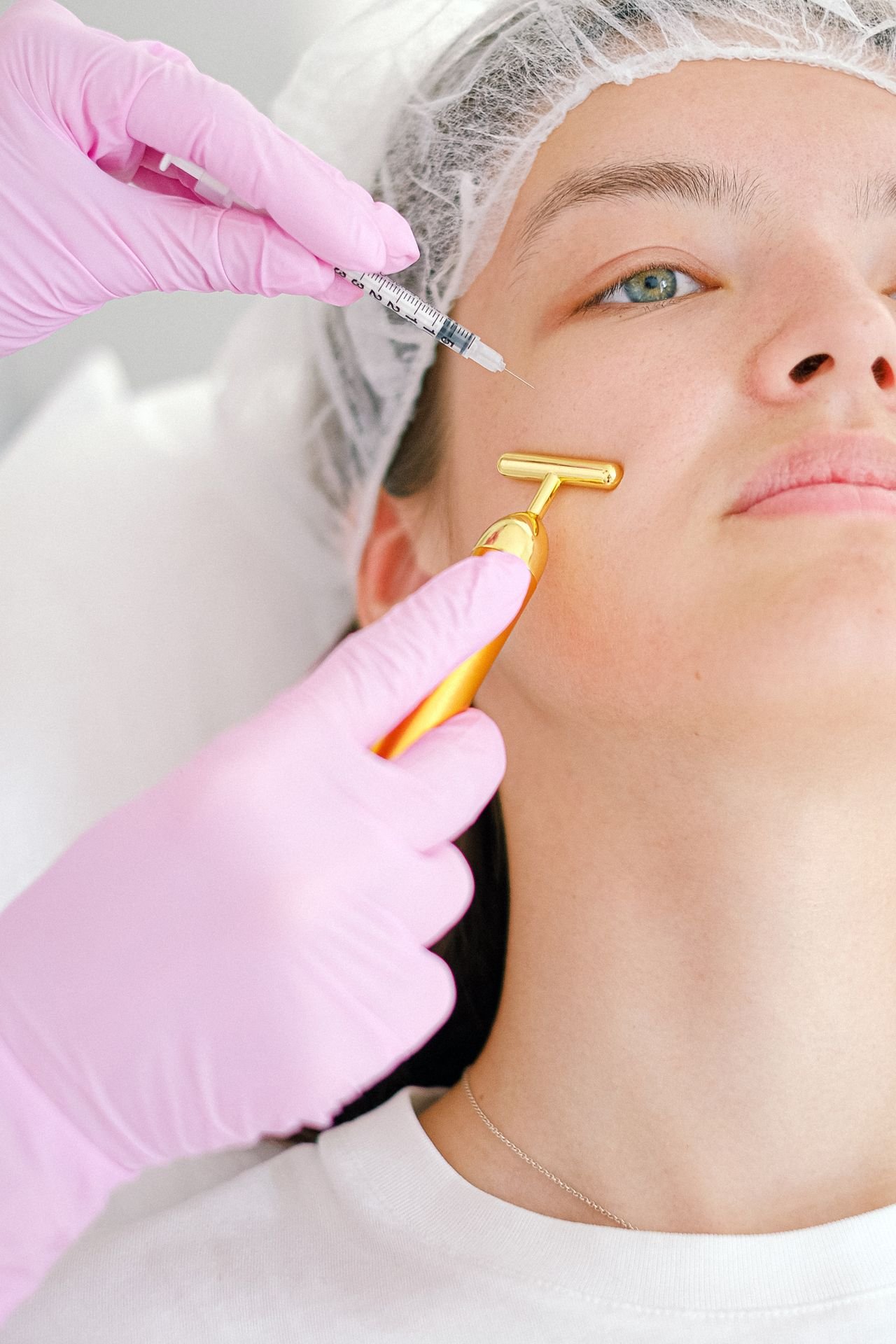
Botox for Wrinkles: How It Works, Safety and What to Expect
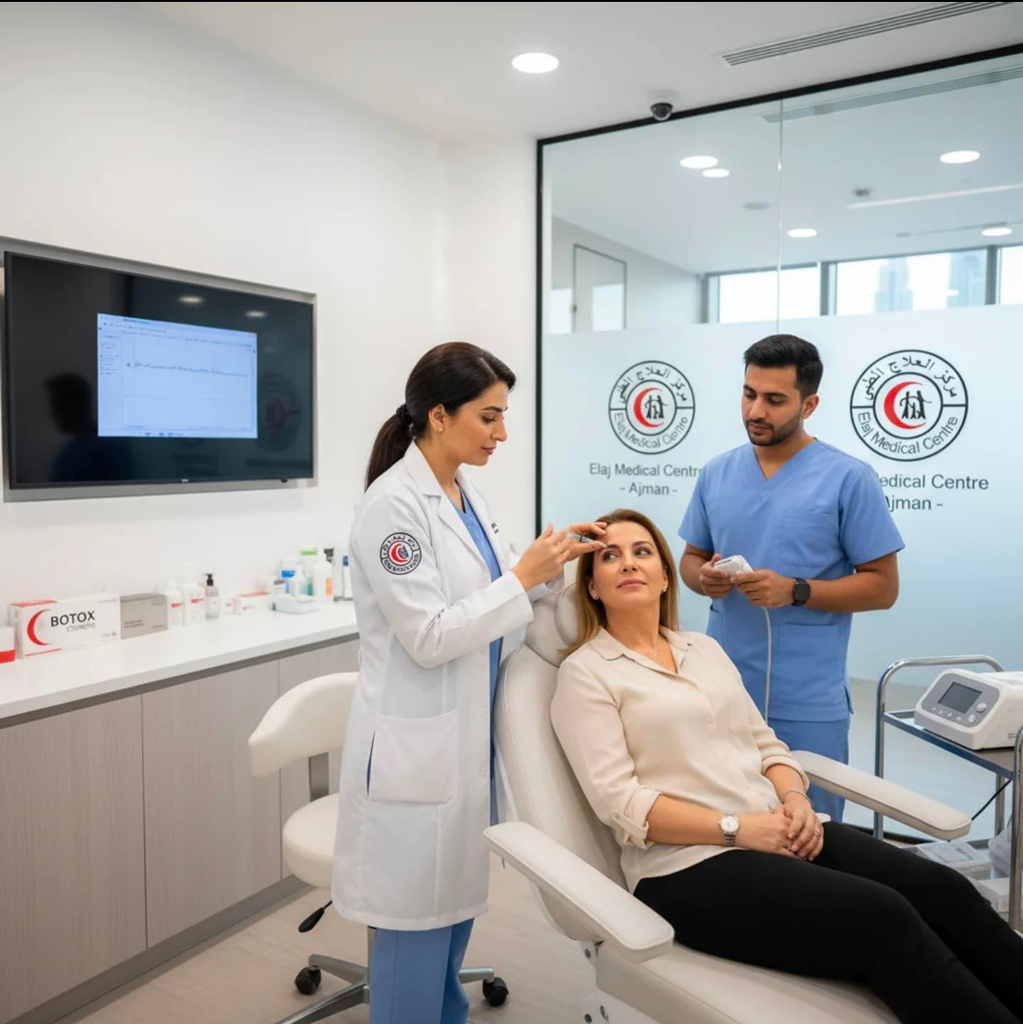
Botox for wrinkles is a prescription treatment that temporarily relaxes selected facial muscles so that expression lines look softer. Many people hesitate because it involves a botulinum toxin, results are temporary, and product quality and injector qualifications can vary.
This guide explains what Botox treats, what the evidence says about duration and safety, and a simple four-check framework to use before you book.
Quick answer: Botox temporarily relaxes targeted facial muscles, which can soften movement-related wrinkles such as frown lines, forehead lines and crow’s feet. Results usually begin appearing within days and commonly last around three to four months. Because Botox is a prescription treatment, the product source and qualifications of the injector are important safety considerations.
Botox for wrinkles: How does it work?
Botox is a brand name for onabotulinumtoxinA, a botulinum toxin type A product that temporarily blocks nerve signals to targeted muscles. When the muscle relaxes, the skin above it creases less. The effect is temporary because nerve function gradually returns and muscle movement resumes.
Several botulinum toxin products are available, and their approved uses can differ by product and country. In the United States, FDA-approved cosmetic indications should be checked against the current product labeling. People often say “Botox” for all of them, but dose units are specific to each product and are not interchangeable.
Which wrinkles and areas can Botox treat?
Botox for wrinkles is primarily used for dynamic lines, meaning wrinkles that become more visible with facial movement. In the US, Botox Cosmetic has four approved cosmetic uses in adults.
FDA-approved cosmetic uses of Botox Cosmetic in the United States
| Area | Muscle involved | Approved for cosmetic use (US) |
|---|---|---|
| Frown lines between the brows | Corrugator and procerus | Yes (first approved 2002) |
| Crow’s feet | Orbicularis oculi | Yes (2013) |
| Forehead lines | Frontalis | Yes (2017) |
| Vertical neck bands | Platysma | Yes (October 2024) |
| Bunny lines, gummy smile, chin dimpling, brow shaping, jaw slimming | Various | Not among the four approved uses (off-label) |
Some uses of botulinum toxin are considered off-label, meaning they are not among the specific cosmetic indications approved for that product in that country. If you are considering treatment in an off-label area, ask the clinician about their experience with that treatment and the expected benefits and risks.
Botox or filler: which one fits your concern?
Botox for wrinkles works mainly on movement-related lines, while dermal fillers are used to restore volume or soften certain static lines.
| Feature | Botox | Dermal filler |
|---|---|---|
| Best for | Lines caused by muscle movement | Lost volume and lines that remain at rest |
| How it works | Relaxes a muscle | Adds volume under the skin |
| Typical duration | About 3 to 4 months | Varies by product |
| Common pairing | Often combined with filler | Often combined with Botox |
Botox will not fix volume loss, sun damage, pigmentation or skin texture. Those concerns usually need other treatments.
What happens during a Botox appointment?
- Consultation and health history. The clinician asks about medical conditions, medicines and pregnancy plans. This matters because some conditions and drugs change the risk.
- Muscle assessment. You frown, squint and raise your brows so the injector can see how your muscles move. Injection points and doses are individual, not fixed templates.
- Injections. Small amounts are placed into specific muscles with a fine needle. It may sting briefly, and a topical numbing cream is sometimes offered.
- Aftercare instructions. You can usually return to normal activities right away, with a few precautions (see below).
- Review after about two weeks. This is when the full effect is visible, and when a small touch-up can be judged fairly.
Common mistake to avoid: paying for a fixed number of units before anyone has assessed your face.
How soon does Botox work, and how long does it last?
NHS hospital patient information describes first effects within 48 to 72 hours, with the full effect taking up to 14 days. On duration, the FDA label puts the effect for frown lines at approximately three to four months, and Cleveland Clinic gives a similar average. Some NHS patient information cites three to six months, so treat six months as the upper end rather than the norm. Your dose, muscle strength and individual response all play a part.
What should you do (and avoid) after Botox?
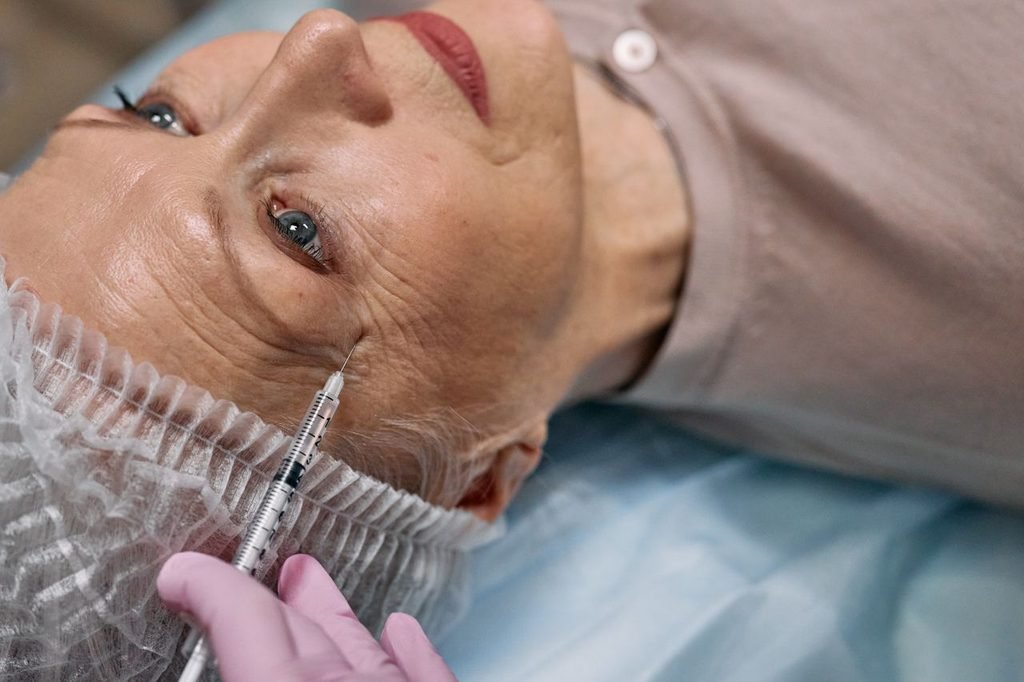
Aftercare instructions can vary depending on the treatment area and clinician. Your injector may advise you to remain upright for a period after treatment, avoid rubbing or putting pressure on treated areas, and temporarily avoid strenuous activity. Follow the specific instructions given by your clinician.
What are the side effects and risks of Botox?
Most side effects are minor and short-lived. In the FDA label’s clinical trials, the most commonly reported reactions were eyelid droop (3%) after frown-line treatment, eyelid swelling (1%) after crow’s feet treatment, and headache (9%) and brow droop (2%) when forehead lines were treated together with frown lines. Bruising, redness and tenderness at injection sites can also occur.
Serious problems are rare but real. Botox carries a boxed warning about the toxin spreading beyond the injection site. Symptoms such as trouble swallowing, trouble breathing, blurred or double vision, and widespread weakness need urgent medical care.
Who should be cautious or wait:
- People who are pregnant or breastfeeding should discuss treatment with a doctor first, because the prescribing information notes a lack of adequate safety data.
- People with neuromuscular conditions such as myasthenia gravis, or disorders like MS or peripheral neuropathy, where a muscle-blocking drug can worsen symptoms.
- Anyone with an infection or rash at the injection site, or a known allergy to a botulinum toxin product.
- People taking certain antibiotics (aminoglycosides) or other drugs that affect nerve-muscle signalling, since the toxin’s effect may be amplified.
How do you avoid counterfeit or unsafe Botox?
In April 2024 the FDA warned that counterfeit Botox had been found in multiple US states, with hospitalisations linked to it. The CDC’s investigation ended with 17 reported cases and 13 hospitalisations, mostly involving unlicensed injectors, non-clinical settings or products bought from unauthorised sources. The CDC said in December 2024 that similar reports were still arriving, including some involving self-injection. In November 2025 the FDA also sent warning letters to 18 websites selling unapproved botulinum toxin.
The takeaway is practical: botulinum toxin is a prescription medicine and should come from an authorised supplier and a licensed, trained clinician. The NHS makes the same point in its guidance on choosing a practitioner.
Can Botox prevent wrinkles, and what age should you start?
There is no single right age. The ASPS says there is no firm consensus among plastic surgeons on preventive Botox in younger patients, and that timing should follow what the face is doing rather than a birthday. A recent systematic review suggests that early treatment may reduce muscle overactivity and delay dynamic lines, but the evidence base is still developing.
Before choosing Botox for wrinkles, discuss your goals, expected results, risks, and aftercare with a qualified healthcare professional.
“Baby Botox” simply means a lower dose. It describes how much is used, not a different product and not a guarantee of prevention.
A four-check framework before you book
This is an original checklist, not an official protocol. It is designed to slow the decision down to four questions.
- Line check: is this a movement line? Look in a mirror while frowning, squinting and relaxing. If the line softens or disappears at rest, Botox may help. If the concern is hollowness, texture or pigmentation, it likely will not.
- Health check: is there a reason to wait? Review the list above and tell the clinician about medicines, neuromuscular conditions, pregnancy plans and past reactions.
- Source check: who is injecting and what is in the vial? Confirm the injector is a licensed, trained clinician, and ask which brand is used and where it is sourced. In India, you can ask whether the product is approved by the national regulator, CDSCO.
- Plan check: what exactly are you paying for? Ask for the number of units per area, the price per unit, the touch-up policy and how to reach the clinic if something feels wrong.
Scenario (hypothetical, not a real patient): A 34-year-old notices two vertical lines between her brows that appear when she concentrates and fade when she relaxes. That pattern points to a movement line, so a consultation about treating the frown muscles is reasonable. Someone whose main concern is hollowness under the eyes would get a different answer at the same clinic, because that is a volume issue.
How much does Botox cost?
Botox is usually priced per unit, so the total is units multiplied by the rate. The doses on the US label give a useful reference when reading a quote: 20 units for frown lines, 24 units for crow’s feet, 40 units for forehead plus frown lines, and 64 units for all three areas together. These are label figures and real doses are individualised. Units for hyperhidrosis and migraine are different again, and those medical uses are treated under separate labelling.
Botox pricing varies by brand, treatment area, number of units, clinic and provider. Before treatment, ask for a written estimate showing the product or brand, number of units, price and any consultation or follow-up charges. Avoid choosing a provider based only on a very low advertised price.
Frequently asked questions
Does Botox hurt?
Botox for wrinkles usually involves a brief sting or pinch rather than significant pain. A fine needle is used, a numbing cream may be offered, and the injections take only a few minutes. Mild tenderness or a small bruise can follow.
Is Botox safe?
When an approved product is injected by a trained, licensed clinician, most side effects are mild and short-lived, such as headache, redness or bruising. Rare serious problems involve toxin spreading beyond the injection area. Serious reactions can occur, particularly when unapproved or counterfeit products are used or injections are performed by unlicensed or inadequately trained providers.
Does Botox cause cancer?
There is currently no established evidence that Botox causes cancer. Cancer is not listed as an established adverse effect in the Botox Cosmetic prescribing information. If you have a specific cancer concern or medical condition, discuss it with your doctor before treatment.
Will my wrinkles get worse when Botox wears off?
As Botox wears off, treated muscles gradually regain movement and wrinkles can become visible again. Current evidence does not establish that Botox causes wrinkles to become worse than they were before treatment.
Can I have Botox during pregnancy or breastfeeding?
There is not enough safety data on Botox Cosmetic in pregnancy or breastfeeding, so the decision is best made with your doctor. Tell your clinician if you are pregnant, planning pregnancy or breastfeeding.
How often should I repeat Botox?
Because the effect typically lasts three to four months, many people return at about that interval, and some stretch it toward six. The right schedule depends on your response and goals, and a clinician can adjust dose and timing instead of following a fixed calendar.
What symptoms after Botox need urgent medical help?
Trouble swallowing or breathing, blurred or double vision, slurred speech or spreading weakness need immediate care. The CDC notes these symptoms can start anywhere from hours to weeks after injections. Mild headache or slight eyelid or brow heaviness should be reported to your injector.
Final takeaway
Botox for wrinkles is a well-studied, temporary treatment for movement-related lines. It has an established safety profile when an authorized product is used appropriately by a qualified healthcare professional, but side effects and rare serious complications can still occur.
About the author
The glowupmotivatio.com editorial team writes about skin care, wellness and personal care. This article is general education based on the sources listed below and is not medical advice. Consult a licensed healthcare professional before deciding on any injectable treatment.
Sources
- FDA, Counterfeit Version of Botox Found in Multiple States
- CDC, Harmful Reactions Linked to Counterfeit Botox
- CDC, How to Stay Safe When Getting Botulinum Toxin Injections
- FDA drug label, Botox Cosmetic
- Cleveland Clinic, Botulinum toxin injections
- Cleveland Clinic, Botox vs fillers
- NHS hospital trust, Botox treatment information
- NHS, Choosing who will do your cosmetic procedure
- ASPS, Does preventative Botox actually work?
- Systematic review on preventive botulinum toxin
- Allergan Aesthetics/AbbVie, FDA approval of Botox Cosmetic for platysma bands (Oct 18, 2024)
- Drugs.com, Botox Cosmetic FDA approval history
- Allergan clinical study protocol (approval years for crow’s feet and forehead lines)
Exosome Skin Care Treatment: How It Works, Benefits, and What to Know Before You Try It
Does Glutathione Really Lighten Skin? What the Research Actually Shows