
Top Blogging Platforms in 2026: The Ultimate Guide for Every Blogger Worldwide
Published: June 17, 2026
Category: Blogging & SEO
8 min read
Best blogging platforms 2026 are more powerful than ever, offering advanced SEO tools, AI features, and monetization options for bloggers worldwide.
Choosing the right blogging platform is one of the most important decisions you’ll make as a blogger. Whether you’re a complete beginner, a professional writer, or a business owner, the platform you pick shapes everything — your design, SEO, audience, and income potential. In this guide, we’ve compared the 7 best blogging platforms of 2026 so you can make a confident choice.
🌍 Global Guide: This article applies to bloggers worldwide — whether you’re in the USA, UK, India, Australia, Canada, Europe, or anywhere else. All platforms listed here support international use.
Table of Contents
- What Is a Blogging Platform?
- WordPress.org — Best for Full Control
- Ghost — Best for Writers & Publishers
- Wix — Best for Beginners
- Squarespace — Best for Creatives
- Medium — Best for Instant Reach
- Substack — Best for Newsletters
- Hashnode — Best for Developers
- Quick Comparison Table
- Frequently Asked Questions
- Final Thoughts
What Is a Blogging Platform?Best Blogging Platforms 2026: Quick Comparison
A blogging platform is a service or software that lets you create, manage, and publish content on the web. Think of it as your digital home base — where you write, design, and grow your audience. The right platform makes all the difference between a blog that struggles and one that thrives.
In 2026, blogging platforms have evolved far beyond just text editors. They now offer AI-powered writing tools, built-in SEO features, monetization options, and analytics dashboards — all designed to help you grow faster with less effort.
The best blogging platforms 2026 offer a wide range of features, from advanced SEO tools to built-in monetization options. Choosing among the best blogging platforms 2026 depends on your goals, budget, and technical experience.
1. WordPress.org — Best for Full Control & SEO
Best for: Serious bloggers, businesses, marketers
WordPress powers over 522 million websites worldwide — and for good reason. It’s the most flexible, scalable, and SEO-friendly platform available today. If you’re serious about blogging, WordPress gives you complete control over every aspect of your site.
From thousands of themes and plugins to deep customization options, WordPress is the gold standard for professional bloggers and content marketers worldwide — whether you’re in New York, London, Mumbai, or Sydney.
This guide to the best blogging platforms 2026 helps bloggers compare features, pricing, SEO capabilities, and monetization options before choosing a platform.
Pros
- Full ownership of your site and data
- Best-in-class SEO (Yoast, Rank Math)
- 50,000+ plugins available
- Huge global community & support
- Works in every language worldwide
Cons
- Requires hosting & some technical setup
- Can feel overwhelming for beginners
- Maintenance is your responsibility
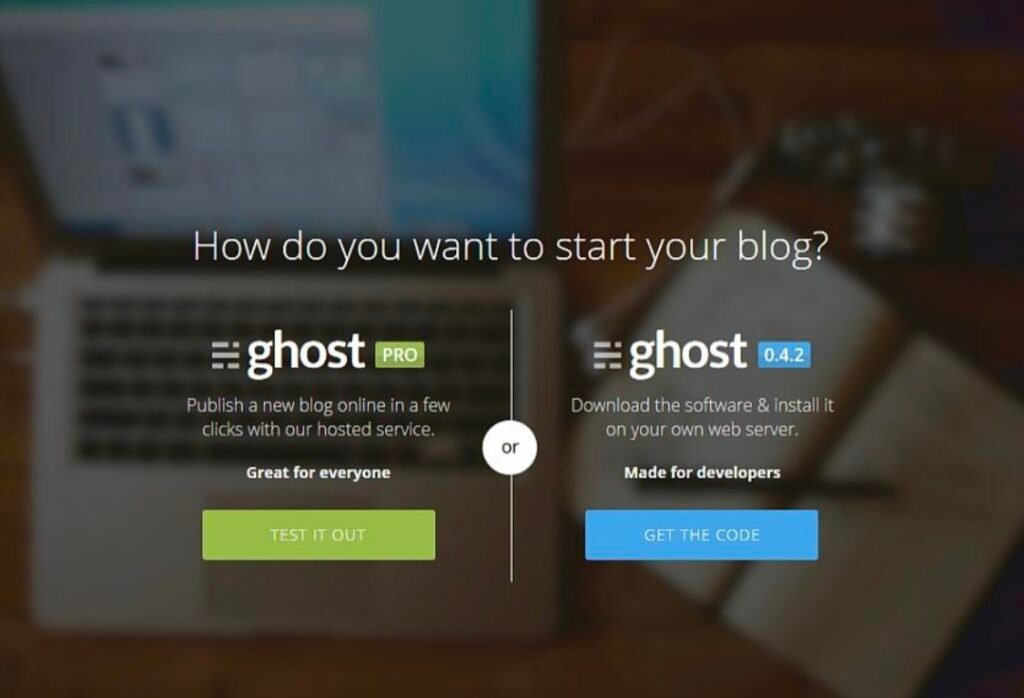
2. Ghost — Best for Writers & Publishers
Best for: Independent creators, paid newsletters, subscription blogs
Ghost has quietly become one of the most loved platforms for writers and publishers who want speed, simplicity, and built-in monetization. Since its launch in 2013, it has grown into a powerful publishing tool used by journalists, authors, and media brands across the globe.
What makes Ghost stand out in 2026 is its clean, distraction-free writing experience paired with native membership and subscription tools — no plugins required.
Among the best blogging platforms 2026, WordPress remains a top choice for users who want complete control, flexibility, and long-term growth.
Pros
- Fast, lightweight, and clean design
- Built-in newsletter & subscription tools
- SEO-optimized out of the box
- Markdown-based modern editor
Cons
- Fewer themes and plugins than WordPress
- Self-hosting needs technical knowledge
- Smaller community than WordPress
3. Wix — Best for Beginners
Best for: Beginners, small businesses, creatives
If you’re brand new to blogging and want to get started quickly without any coding, Wix is one of the best options in 2026. With its intuitive drag-and-drop editor and AI-assisted design tools, you can have a good-looking blog live within hours — no tech skills needed.
Wix supports over 243 million websites globally, making it one of the world’s most popular website builders.
Pros
- Drag-and-drop, zero coding required
- Hundreds of ready-made templates
- AI content and layout suggestions
- Built-in SEO and marketing tools
Cons
- Less flexible than open-source platforms
- Difficult to migrate to another platform later
- Free plan shows Wix ads on your site
4. Squarespace — Best for Creatives
Best for: Designers, photographers, creative professionals
Squarespace remains the go-to platform for visually focused bloggers in 2026. Its beautifully crafted templates and smooth user experience make it ideal for photographers, artists, and designers who want their content to look as good as it reads.
In 2026, Squarespace has also added AI copywriting tools to help you write faster without sacrificing quality.
Pros
- Stunning, responsive design templates
- Blog, e-commerce, and portfolio in one
- Great customer support
- AI copy tools for faster writing
Cons
- More expensive than other platforms
- Limited plugin ecosystem
- Not ideal for niche technical blogs
5. Medium — Best for Instant Reach
Best for: Writers seeking an existing readership
Medium in 2026 is a hybrid publishing platform and content discovery engine. If you want to start writing immediately without worrying about building an audience from scratch, Medium gives you instant exposure through its global network of readers.
The trade-off? You don’t fully own your audience or brand experience — but for many writers, the visibility is worth it.
Pros
- Instant audience — no marketing needed
- Clean, distraction-free writing experience
- Built-in Partner Program for monetization
- Zero maintenance required
Cons
- Limited design and branding control
- You don’t fully own your content distribution
- Audience belongs to Medium, not you
6. Substack — Best for Newsletters & Paid Content
Best for: Writers monetizing newsletters and premium content
Substack started as a newsletter platform and has grown into a real blogging alternative in 2026. It now supports video, audio, and community tools alongside its signature email newsletter format. If your goal is to build a loyal, paying audience around your writing, Substack makes it incredibly easy.
It’s popular among journalists, independent writers, and subject-matter experts worldwide who want to bypass traditional media and earn directly from their readers.
Pros
- Email + blog combined in one platform
- Easy paid subscription setup
- No hosting or technical setup required
- Great for building loyal communities
Cons
- Very limited design customization
- Substack takes a percentage of paid subscriptions
- Not ideal for traditional blog layouts
7. Hashnode — Best for Developers
Best for: Tech bloggers and software developers
Hashnode is purpose-built for the developer community. With GitHub integration, custom domains, markdown support, and syntax highlighting, it’s the natural home for tech bloggers who want to publish without fighting their tools.
It’s also free — which makes it an attractive option for developers just starting their blogging journey.
Pros
- Free custom domain support
- GitHub integration and markdown editor
- Built-in developer community
- Open source and developer-friendly
Cons
- Niche audience — mostly tech-focused
- Not suitable for non-technical topics
- Limited design options
Quick Comparison Table
| Platform | Best For | Ease of Use | SEO | Monetization | Free Plan |
|---|---|---|---|---|---|
| WordPress.org | Everyone | Moderate | ⭐⭐⭐⭐⭐ | Full control | No (needs hosting) |
| Ghost | Writers | Moderate | ⭐⭐⭐⭐ | Subscriptions | Self-host only |
| Wix | Beginners | Very Easy | ⭐⭐⭐ | Limited | Yes (with ads) |
| Squarespace | Creatives | Easy | ⭐⭐⭐ | E-commerce | Trial only |
| Medium | Writers | Very Easy | ⭐⭐⭐ | Partner Program | Yes |
| Substack | Newsletters | Very Easy | ⭐⭐ | Subscriptions | Yes |
| Hashnode | Developers | Easy | ⭐⭐⭐ | Limited | Yes |
Frequently Asked Questions (FAQs)
What is the best blogging platform in 2026?
WordPress.org is the best overall blogging platform in 2026 for SEO, flexibility, and long-term growth. However, the “best” platform depends on your goals — Ghost is ideal for writers, Substack for newsletters, and Wix for beginners.
Which blogging platform is best for beginners?
Wix and Squarespace are the easiest platforms for beginners in 2026. Both offer drag-and-drop editors with no coding required, making it simple to launch a blog in just a few hours.
Is blogging still worth it in 2026?
Absolutely. Blogging remains one of the most powerful ways to build an audience, establish authority, and earn income online. With AI-powered SEO tools and growing content demand, bloggers who provide genuine value continue to succeed worldwide.
Which platform is best for SEO blogging?
WordPress.org is hands-down the best platform for SEO blogging. With plugins like Yoast SEO and Rank Math, you get full control over titles, meta descriptions, schema markup, sitemaps, and more — giving you the best chance to rank on Google worldwide.
Can I make money blogging in 2026?
Yes! Platforms like Substack, Ghost, and Medium have built-in monetization. WordPress users can earn through display ads (Google AdSense), affiliate marketing, sponsored posts, and digital product sales. Many bloggers worldwide earn a full-time income from their blogs.
The best blogging platforms 2026 continue to evolve with better SEO tools, AI features, and monetization opportunities for content creators worldwide.
WordPress.com vs WordPress.org — what’s the difference?
WordPress.org is the self-hosted, open-source version where you own everything and have full control. WordPress.com is a hosted service with limitations on plugins and monetization unless you’re on a paid plan. For serious bloggers, WordPress.org is always the better choice.
Which blogging platform is best for AI-assisted content creation?
Wix and Squarespace now include built-in AI writing tools in 2026. WordPress also supports AI through plugins like Jetpack AI and various third-party integrations, giving you the widest range of AI content tools available.
Final Thoughts
Choosing a blogging platform in 2026 doesn’t have to be complicated. The key is matching the platform to your goals, skills, and audience. Here’s a quick recap to help you decide:
- Want maximum control and SEO power? → Go with WordPress.org
- Writing for a loyal paid audience? → Try Ghost or Substack
- Complete beginner with no tech skills? → Start with Wix
- Focused on beautiful visuals? → Choose Squarespace
- Just want to write and be read? → Use Medium
- Developer sharing tech knowledge? → Pick Hashnode
No matter where you are in the world — the USA, UK, India, Canada, Australia, or beyond — these platforms are all globally accessible and built to help you succeed. The best time to start your blog was yesterday. The second best time is today.
Pro Tip
If you’re unsure, start with WordPress.org. It has the largest community, the most learning resources, and the best long-term growth potential of any platform in 2026. You can always add AI tools, SEO plugins, and monetization features as you grow.
Whether you’re a beginner or a professional creator, the best blogging platforms 2026 provide solutions for every type of blogger and business.
According to WordPress.org, WordPress remains one of the most widely used content management systems in the world.
Ghost also offers built-in membership and newsletter features, as explained on the official Ghost website.
The best blogging platforms 2026 continue to evolve with better SEO tools, AI features, and monetization opportunities for content creators worldwide.
10 Wildly-Successful Blogs That Earn Outlandish Incomes in 2026