
Focus Keyword: Foods With More Vitamin B12 Than Eggs
Foods With More Vitamin B12 Than Eggs are important to know if you want to improve your nutrition and energy levels. Vitamin B12 is an essential nutrient that helps support brain function, red blood cell formation, and nerve health. While eggs contain vitamin B12, many other foods provide even higher amounts per serving.
According to registered dietitian Jennifer Lefton, MS, RD/N, CNSC, FAND, one large scrambled egg provides about 0.5 micrograms (mcg) of vitamin B12, which is roughly 20% of the recommended daily value. However, several other foods provide far more vitamin B12 per serving.
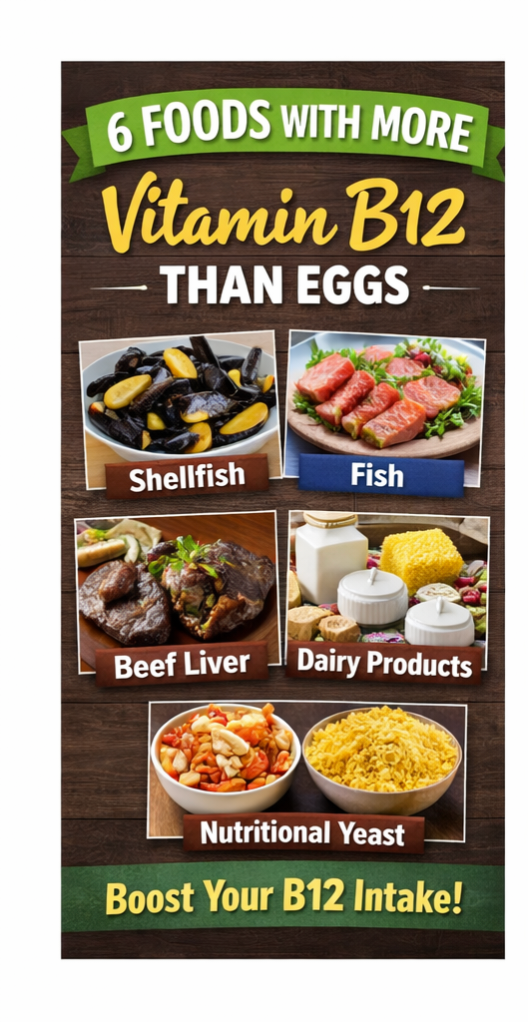
In this guide, we will explore six foods with more vitamin B12 than eggs, how much they contain, and why including them in your diet can support overall health worldwide.
Many nutrition experts recommend including foods with more vitamin B12 than eggs because they provide higher amounts of this essential nutrient for energy and brain health.
Table of Contents
- Why Vitamin B12 Is Important
- 1. Shellfish
- 2. Fish
- 3. Poultry and Meats
- 4. Dairy Products
- 5. Breakfast Cereals
- 6. Nutritional Yeast
- How Much Vitamin B12 Do You Need?
- FAQs
Why Vitamin B12 Is Important
Vitamin B12 is necessary for many important processes in the body. It helps maintain nerve health, supports energy production, and plays a key role in forming DNA and red blood cells. A deficiency in vitamin B12 can lead to fatigue, weakness, anemia, and neurological issues.
Most vitamin B12 naturally occurs in animal-based foods such as fish, meat, eggs, and dairy products. However, fortified foods can also provide this essential nutrient.
For more details about vitamin B12 recommendations, visit the National Institutes of Health Office of Dietary Supplements.
Fish is considered one of the best foods with more vitamin B12 than eggs and can easily help people meet their daily vitamin needs.
1. Shellfish
Shellfish are among the richest natural sources of vitamin B12. Certain varieties, especially those in the mollusk family, contain extremely high levels.
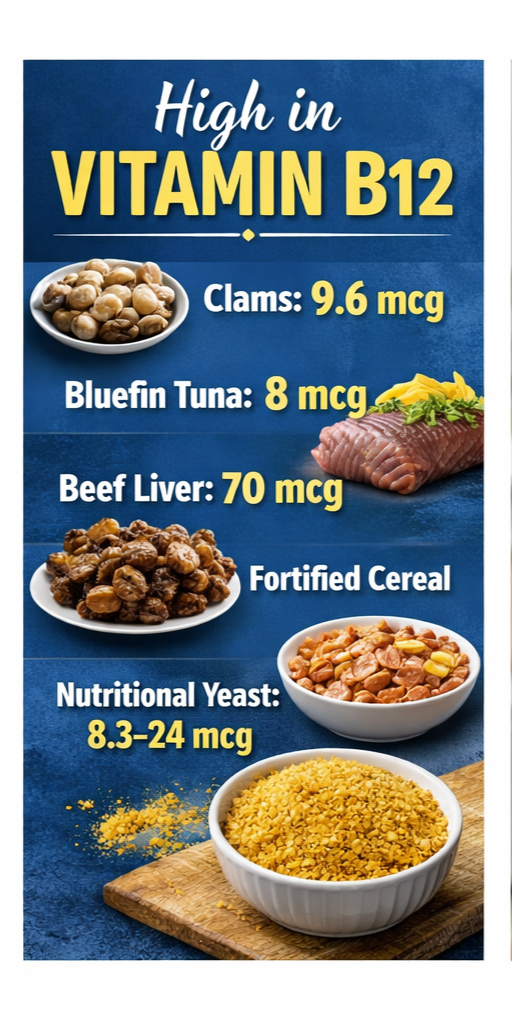
- 3 oz of clams: 9.6 mcg
- 3 oz of mussels: 10.2 mcg
- 6 oysters: 7.4 mcg
These seafood options not only provide vitamin B12 but are also rich in iron, zinc, and protein. They are commonly consumed in many coastal regions worldwide and are considered nutrient-dense foods.
2. Fish
Several types of fish contain higher amounts of vitamin B12 than eggs. Including fish in your weekly diet can help improve nutrient intake while also providing omega-3 fatty acids.
- 3 oz fresh bluefin tuna: 8 mcg
- 3 oz salmon: 1–5 mcg
- 1 oz sardines: 2.53 mcg
- 3 oz trout: 3.8 mcg
- 3 oz herring: 11.6 mcg
Fresh and canned fish are both excellent options. Canned fish is often more affordable and has a longer shelf life while still providing valuable nutrients.
Tip: Choose fish with lower mercury levels, especially for pregnant women and children.
3. Poultry and Meats
Meat is another strong source of vitamin B12. Among all meats, beef liver stands out as one of the most concentrated sources.
- 3 oz beef liver: 70 mcg
- 3 oz beef tenderloin: 2.1 mcg
- 3 oz ground beef: 2.4 mcg
- 3 oz pork tenderloin: 0.5 mcg
A typical 3-ounce portion is about the size of a deck of playing cards. In many countries, people often consume larger portions, which means they may easily meet or exceed the daily vitamin B12 requirement.
4. Dairy Products
Dairy foods provide moderate amounts of vitamin B12 while also delivering calcium and protein. These foods are widely consumed across the globe.
- 1 cup whole milk: 1.1 mcg
- 1 cup skim milk: 0.9 mcg
- Fat-free yogurt: 1.5 mcg
- Whole-milk yogurt: 0.9 mcg
Cheeses such as cottage cheese and fresh mozzarella also contribute to daily vitamin B12 intake.
These foods with more vitamin B12 than eggs can help improve your daily vitamin intake.
Although dairy products contain smaller amounts, they are still helpful foods with more vitamin B12 than eggs compared to a single egg serving.
5. Breakfast Cereals
Many breakfast cereals are fortified with vitamin B12. This means the vitamin is added during processing, making cereals a convenient option for people who may not eat many animal-based foods.
When choosing cereal, check the nutrition label to see how much vitamin B12 has been added. Some cereals provide up to 100% of the daily value in one serving.
You can pair cereal with milk to further increase vitamin B12 intake.
6. Nutritional Yeast
Nutritional yeast is especially popular among vegans and vegetarians. It is a deactivated yeast that comes in flakes, granules, or powder form.
Depending on the brand, 1/4 cup of fortified nutritional yeast can provide between 8.3 and 24 mcg of vitamin B12, which may exceed the daily recommended intake.
Nutritional yeast has a naturally cheesy flavor and is commonly used as a topping for popcorn, pasta, salads, and mashed potatoes.
It also contains protein, fiber, and several B vitamins, making it a versatile and nutritious ingredient.
These foods with more vitamin B12 than eggs can help improve your daily vitamin intake.
How Much Vitamin B12 Do You Need?
The recommended dietary allowance (RDA) for vitamin B12 varies by age and life stage.
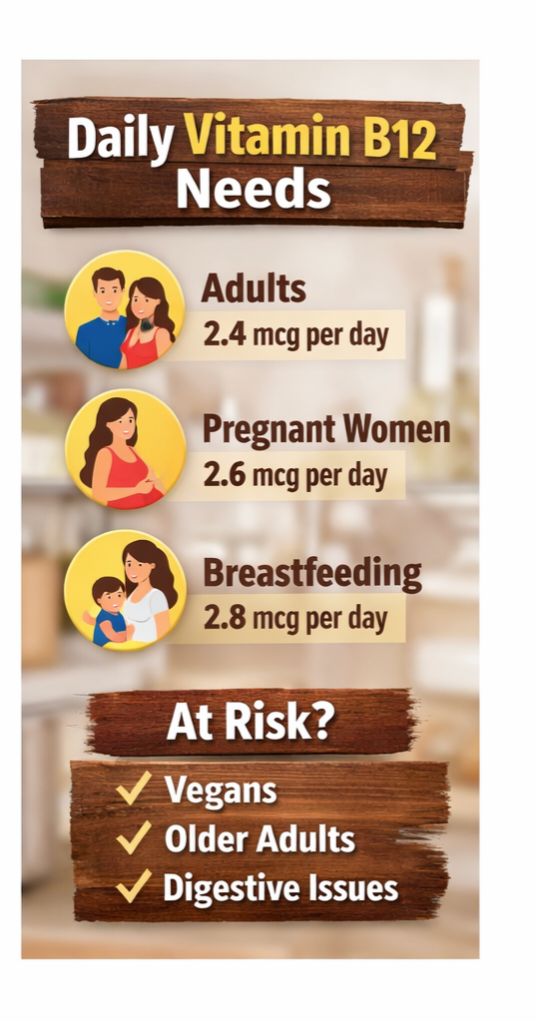
- Adults: 2.4 mcg per day
- Pregnant women: 2.6 mcg per day
- Breastfeeding women: 2.8 mcg per day
Most people get enough vitamin B12 from their diet. However, certain groups may be at risk of deficiency, including:
- Vegans and vegetarians
- Older adults
- People with digestive disorders
- Individuals who have had gastrointestinal surgery
In such cases, fortified foods or supplements may be necessary.
FAQs
Which food contains the most vitamin B12?
Beef liver is one of the richest natural sources of vitamin B12, providing about 70 mcg per 3-ounce serving.
Are eggs a good source of vitamin B12?
Yes, eggs contain vitamin B12, but only about 0.5 mcg per egg. Many foods such as shellfish and fish contain much higher amounts.
Can vegans get vitamin B12 from food?
Vegans can obtain vitamin B12 from fortified foods like breakfast cereals and nutritional yeast, or from supplements if necessary.
What happens if you don’t get enough vitamin B12?
Vitamin B12 deficiency may cause fatigue, weakness, anemia, memory problems, and nerve damage if left untreated.
Conclusion
Although eggs are a convenient source of vitamin B12, several foods provide significantly higher amounts. Shellfish, fish, meat, dairy products, fortified cereals, and nutritional yeast are all excellent choices.
Adding a variety of these foods to your diet can help ensure you meet your daily vitamin B12 needs and support long-term health.
For more nutrition guides, check our related article: Healthy High-Protein Foods for Daily Energy.
Also read our guide: Chia Seed Water Benefits
Chia Seed Water Benefits: How to Make, Drink & Use It Daily for Better Health